
Reviving Syria: The Entrepreneurial Spirit Lives On
Written by Tia Saliba.
Originally published September 12, 2025
Part five of our five-part series on Reviving Syria.
All images are original, courtesy of Hadi Madwar.
At P3 Solutions, we remain steadfast in our belief that the foundation of Syria’s recovery lies in human rights, local resilience, and economic dignity. In this fifth and final installment of our Reviving Syria series, we celebrate the enduring entrepreneurial spirit that continues to shine despite adversity.
Years of conflict have tested the limits of Syria’s people, but they have not extinguished their determination to rebuild, create, and innovate. Across cities, towns, and displaced communities, entrepreneurs are showing extraordinary courage—launching ventures, adapting to ever-changing realities, and inspiring those around them.
Syria entered a transitional phase after the fall of the Assad regime in December 2024, it has entered a new phase under interim leadership, ushering in a moment of global attention and renewed international support. The UNDP administrator pledged to support Syria with expanded area-based programming, local governance, economic recovery and rebuilding critical services.
Food and Agriculture Organization (FAO)- empowering rural entrepreneurs
In regions like Aleppo and Homs and Al Hasakah, the FAO’s smallholder support program has trained roughly 3,000 rural youth and women in modern farming, agribusiness planning, and supply chains.
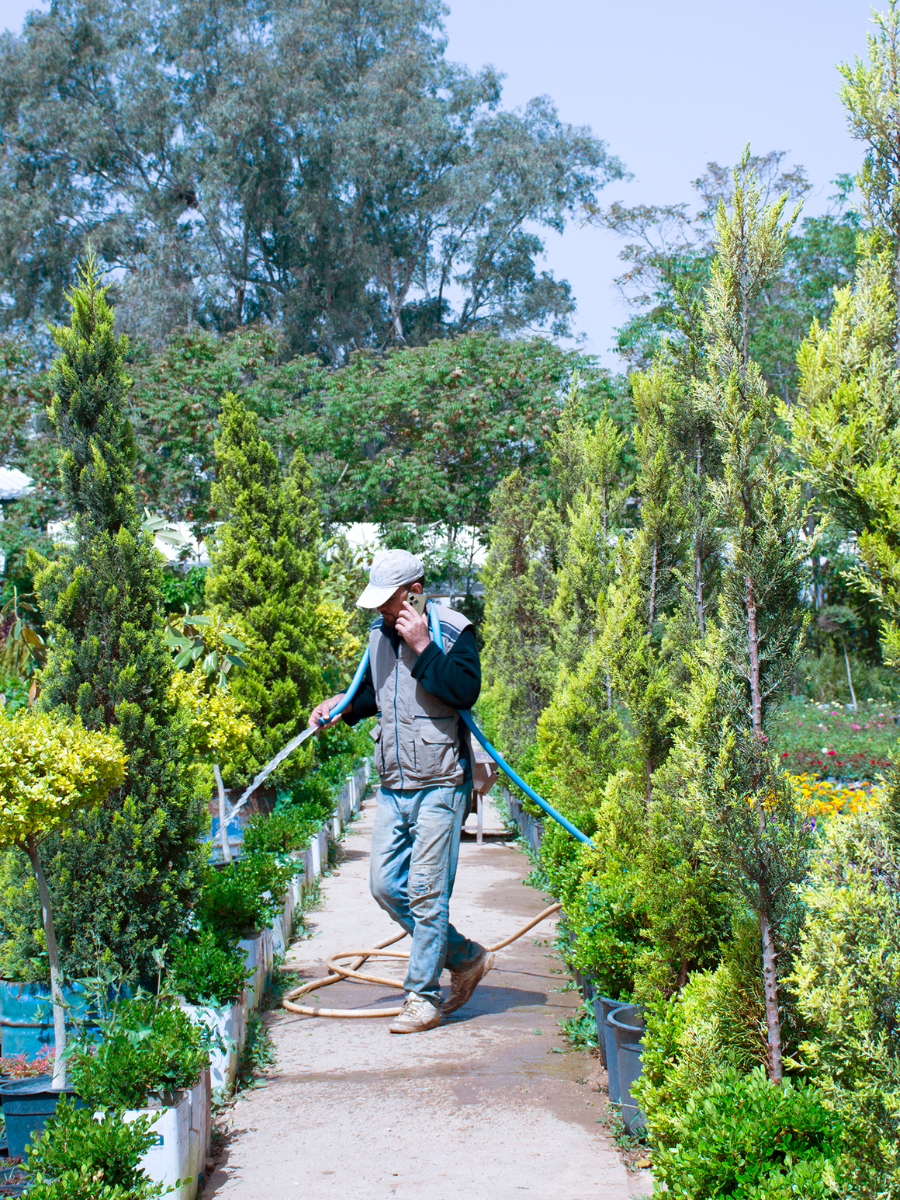
Gardener in the Kafar Suseh neighborhood.
International Labor Organization (ILO) - employment intensive infrastructure and apprenticeships
The ILO, responding to Syria’s new political landscape, has helped initiate employment-intensive labor projects, especially in Aleppo. In the post-earthquake reconstruction generating over 11,200 workdays and creating more than 140 jobs in sanitation, roads and renewable energy initiatives. Their work-based learning programs pairs youth with real employers, leading to permanent work in sectors like textiles and baking and mechanics.
UNDP & EU–Japan Collaboration
Increased engagement followed Assad’s fall: UNDP—working with the EU and Japan—provided microgrants, training, and mentorship to more than 400 startups, including 70 led by women, helping to formalize enterprises and bridge post-conflict gaps.
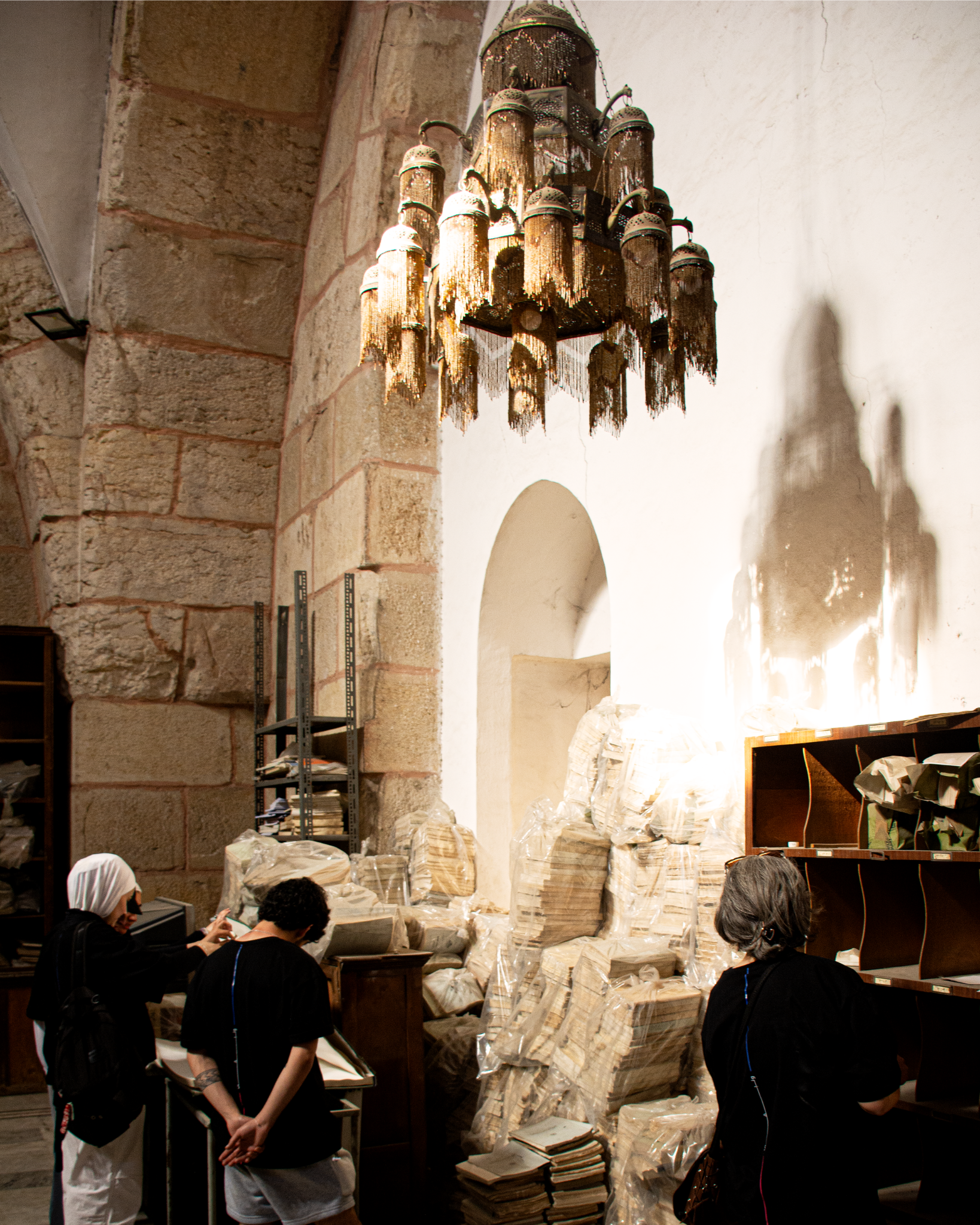
Library in Old Damascus.
Emerging Partnerships & Local NGOs
New partnerships have expanded support for MSMEs. FAO’s updated Emergency & Recovery Plan (2025–27) targets nearly 10 million Syrians, investing in irrigation, farming tools, and training. Local NGOs like My Syria have increased their outreach after the regime’s fall, organizing tourism initiatives and pop-ups that link artisans and small businesses with both national markets and foreign partners.
The international community, once restricted by Syria’s political and security situation, is now actively shaping its entrepreneurial recovery. With sanctions easing and partnerships expanding, programs are shifting from short-term aid to long-term capacity building—focusing on jobs, skills, and sustainable business growth.
Several steps can be implemented to improve Syria's recovery:
Entrepreneurs in Syria lack access to capital, most traditional banking institutions are in crisis, and sanctions and the inflation rate have paralyzed the form of lending and loans.
What’s needed is community-based revolving loan funds, microfinance institutions backed by NGOs, and international donor partnerships. Diaspora investment platforms could also be a good source of support: they can aid startups through mentorship and capital flows from abroad.
The most important thing is to simplify business regulations and registration. Many entrepreneurs have been discouraged from starting new businesses because of challenges like the business licensing processes; they are slow, inconsistent, and often manipulated by connections. The Syrian interim government must prioritize a nationwide digital registration platform with flat and transparent fees. Businesses need legal clarity on tax exemptions, zoning uses, and important procedures.
In Syria, entrepreneurship is not just about business—it’s about survival, recovery, and reimagination. Access to capital, reliable infrastructure, training, and inclusive policies are no longer optional—they are urgent necessities. The strength of a country lies not only in its institutions, but in the resilience of its people. Syria’s entrepreneurs have carried that weight for more than a decade. Now, they deserve real investment.
If Syria is to heal, it must build from the bottom up—with its entrepreneurs leading the way.
To every donor, policymaker, NGO, and diaspora member: Invest in Syrian entrepreneurs. Not as charity—but because they’re the ones rebuilding Syria, one quiet act of resilience at a time.
P3 has already conducted four fact-finding missions to Damascus and will be returning for more in-depth studies this fall.