
Reviving Syria: Local Solutions for National Recovery
Written by Tia Saliba.
Originally published August 29, 2025
Part three of our five-part series on Reviving Syria.
All images are original, courtesy of Hadi Madwar.
At P3 Solutions, we continue to advocate for a recovery process in Syria that is deeply rooted in human rights, economic dignity, and local empowerment. In this third part of our Reviving Syria series, we shine a light on the power of local solutions in addressing national challenges.
Across Syria, communities are taking the lead—developing context-driven responses to the country’s evolving needs. From community-run cooperatives to locally-led training programs and micro-enterprises, these efforts are not only creating jobs and restoring services but also reinforcing social cohesion and resilience.
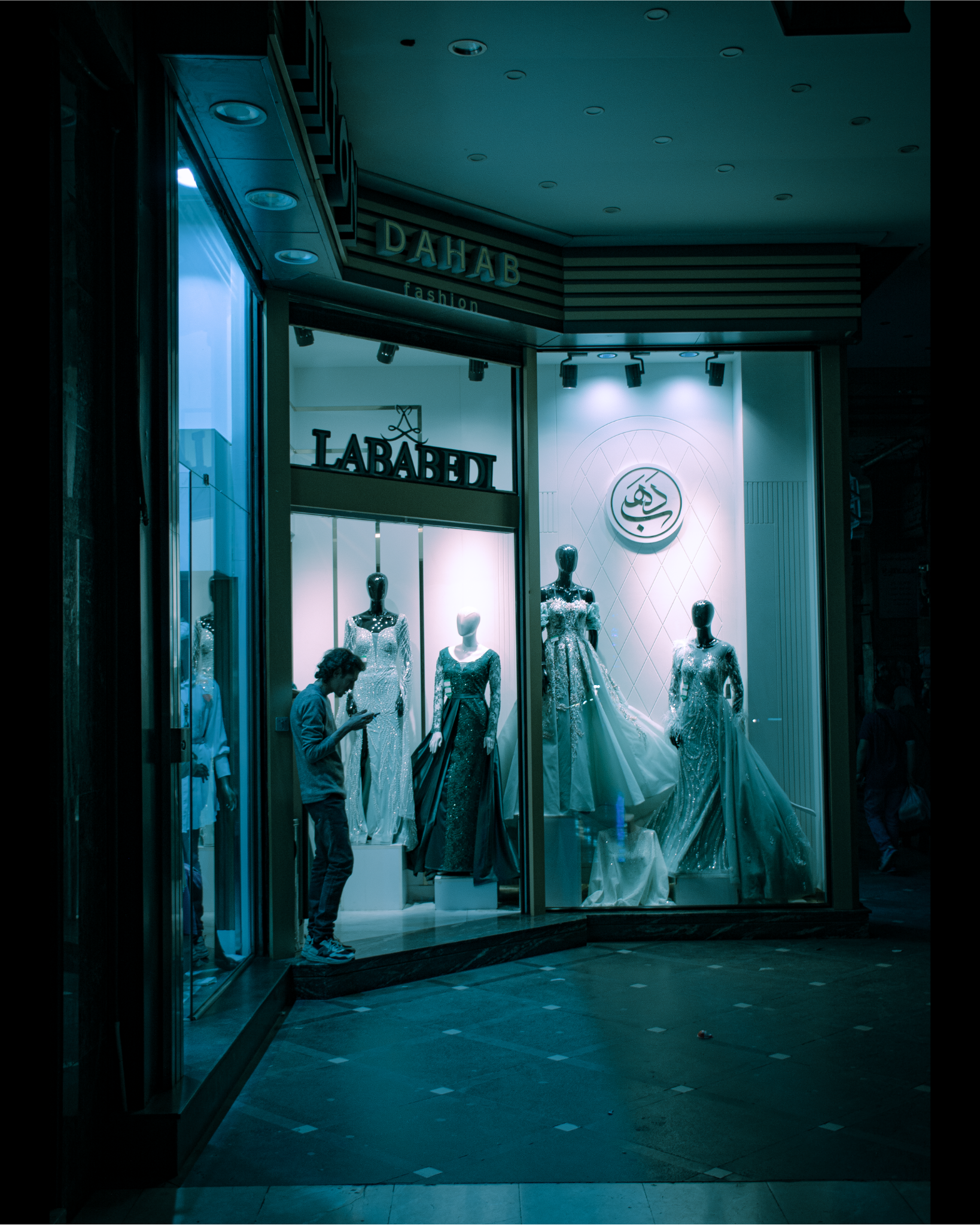
Dress shop in downtown Damascus.
Talent drain may have been the most impacted by Syria's conflict. According to the UNDP (2025), more than 7.2 million Syrians remain internally displaced, while an additional 6 million have sought asylum abroad, making this one of the largest displacement crises since World War 2. Many of those who left include skilled Syrian workers, educators, and entrepreneurs who were trying so hard to fight and stay and build the country.
In the wake of Syria’s economic collapse, job opportunities for youth have nearly disappeared. Many large industries were forced to shut down due to economic instability. Entrepreneurship became the only way for Syrians to generate income for their households. Today, Micro, Small, and Medium-sized Enterprises (MSMEs) account for 95% of the country’s private sector and employ around 70% of the active workforce. These businesses have become lifelines for communities across Syria.
Bazaars have become powerful job hubs, especially for women and students. In these markets, you’ll find tables filled with homemade accessories, perfumes, packaged foods, toys, and more. Every product tells a personal story, and behind each table is a Syrian trying to make their way through life and build a future for themselves. These gatherings—created by entrepreneurs who wanted a better future for Syria—are not just about shopping. They are about creating opportunities, building young people’s confidence in their country, and inspiring them to help rebuild Syria.
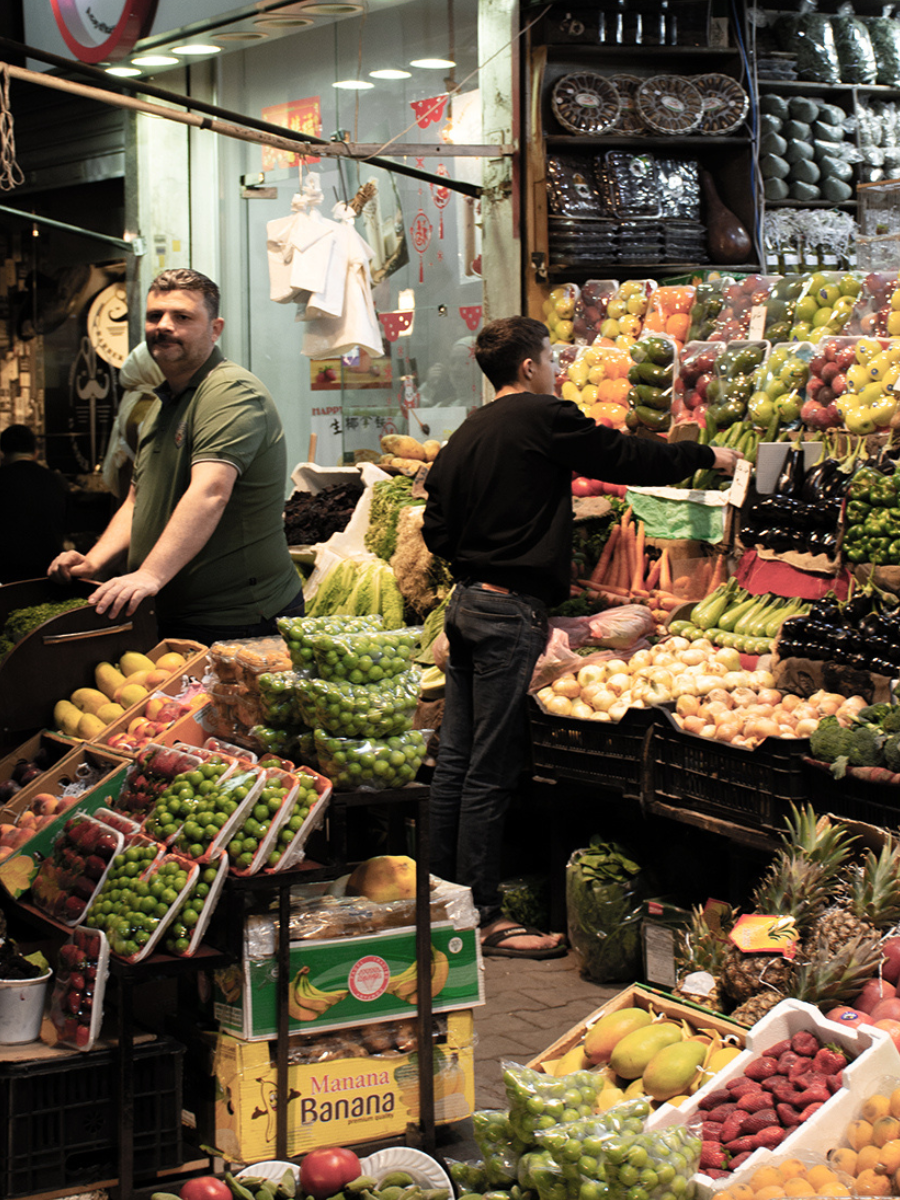
Fruit market in the Chaalan neighborhood.
In Syria, innovation doesn’t need a high budget—it needs willpower. Syrians will always find a way to prove to themselves that they can rise again and start from scratch with no tools. One of the most powerful tools today is Instagram. Many are using it as a free storefront—delivering homemade matcha drinks and cookies, teaching languages or math lessons online, or selling hand-painted items from their bedrooms. For example, a young entrepreneur started her own line of hand-crafted tote bags. She paints each one by hand and markets them entirely through social media.
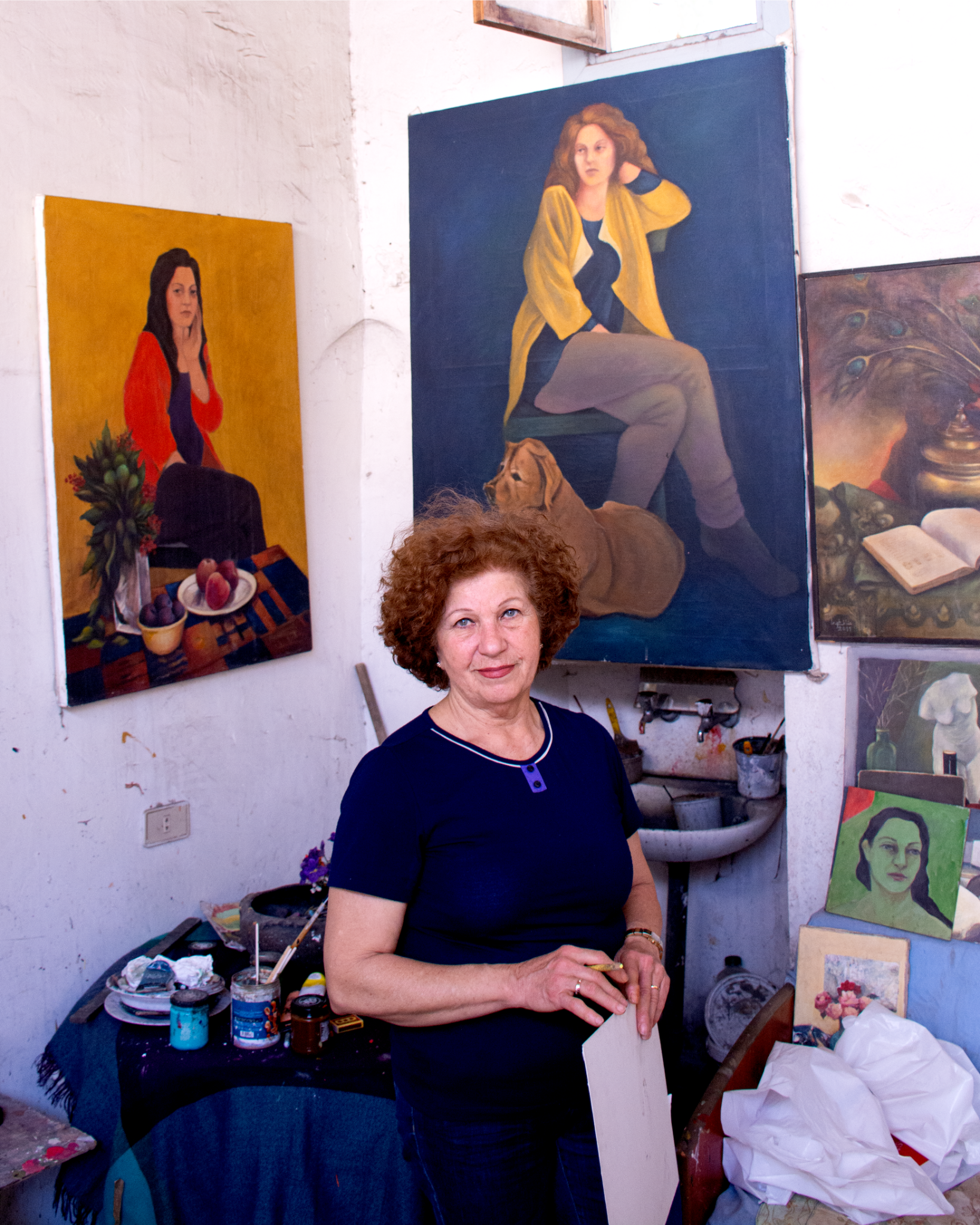
Artist in her atelier in Old Damascus.
Platforms like BeeOrder and Movo have modernized food delivery across the country, creating income not just for restaurants but also for delivery drivers, photographers, and social media managers. These platforms are entirely Syrian-built and have brought digital convenience to everyday life in places where access is often limited.
P3 has already conducted four fact-finding missions to Damascus and will be returning for more in-depth studies this fall.
In our next piece, part four of our five-part series on Reviving Syria, we explore how small businesses across Syria are becoming engines of recovery—and why supporting them is key to building a more inclusive and sustainable future.