
Building a Culture of Effective Communication in the Workplace
Written by Joseph Philipson.
Originally published July 9, 2025.
Part five of our five-part series on poor communication.
All images are courtesy of the P3 team.
Wendy by Hadi Madwar.
Communication is no longer a soft skill. It's essential for almost every team member, whether managing remote teams, coordinating across departments, or aligning leadership with day-to-day execution.
The way people communicate can shape everything from performance to morale, yet many workplaces suffer from communication breakdowns. Messages can get lost in Slack threads, feedback is misunderstood or withheld, and vital information can end up siloed in other departments.
These issues are part of the broader workplace culture, not just a hindrance to productivity. Building a workplace where communication is clear, respectful, and intentional takes time and effort. Here, we'll explore how to model behavior, integrate systems to support openness, clarity, and accountability at every level, and leverage communication as a key strength in your workplace.
The cost of withholding information at work
Withholding information can damage team dynamics, especially when employees feel in the dark about goals, changes, or decisions. These employees are far more likely to disengage, duplicate effort, or even make costly mistakes. The result is wasted time, weakened trust, and confusion, affecting not only the employees who are unaware of the situation but also those who are informed.
Transparent communication leads to higher employee engagement and improved business performance. You shouldn't just dump all the information into emails or shared drives; you need to structure knowledge sharing. You need to have regular team check-ins, open decision logs, and visible roadmaps.
When communication flows, employees feel informed and empowered to make better decisions, offer faster insights, and perform with purpose.
Professional Boundaries: Avoiding Oversharing in the Workplace
A good culture of effective communication is about what you share and how much you share. Oversharing, especially personal details, can blur professional boundaries, distract teams, and even cause discomfort.
Sharing too much about your personal life, especially in meetings or group chats, can shift focus away from the task at hand. It can also create awkward situations or appear to be favoritism.
Clear boundaries in communication promote respect across different roles and backgrounds, especially in diverse teams. The workplace shouldn't be cold and impersonal, however. Strong relationships involve feeling human, but professionals should know where to draw the line.
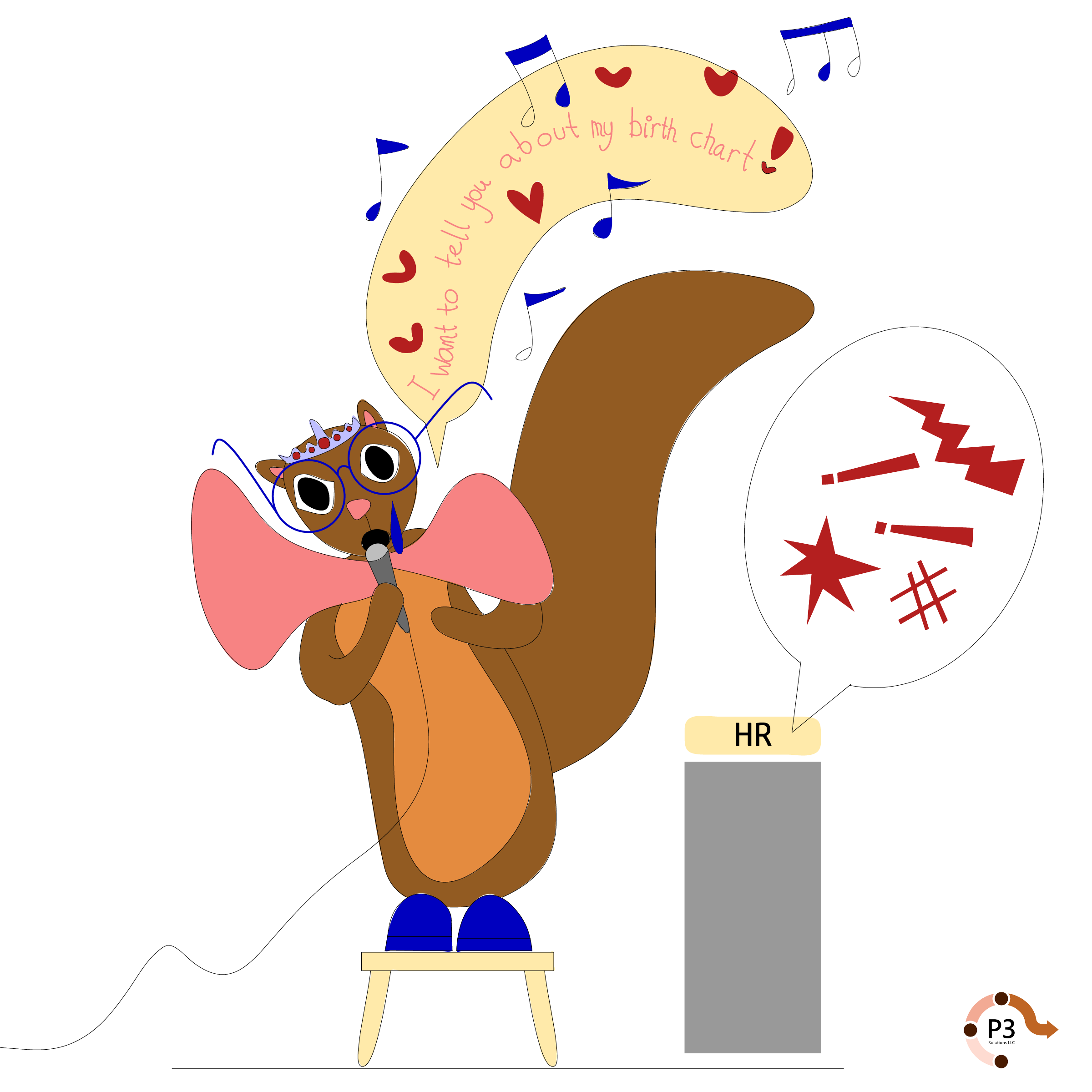
Wendy loves oversharing. Don’t be like Wendy!
The best way to deal with this is to share in ways that build trust, not tension. If details don't support team goals, morale, or relevant context, it's something best addressed in a personal chat rather than a project thread or email.
Leaders should be open about challenges and create a space for team members to connect, as well as establish communication channels for sharing more personal content and information.
Creating a Culture of Open and Respectful Dialogue
Communication needs to be open and two-way in any workplace culture. It isn't a case of leaders simply broadcasting information. They need to invite genuine dialogue and feedback.
Anonymous surveys and suggestion boxes allow employees to share ideas and concerns without fear, and 83% of employees appreciate opportunities for feedback.
Psychological safety is also essential. Teams need to feel safe speaking up, and there's the bonus that they're more innovative, cooperative, and better at problem-solving.
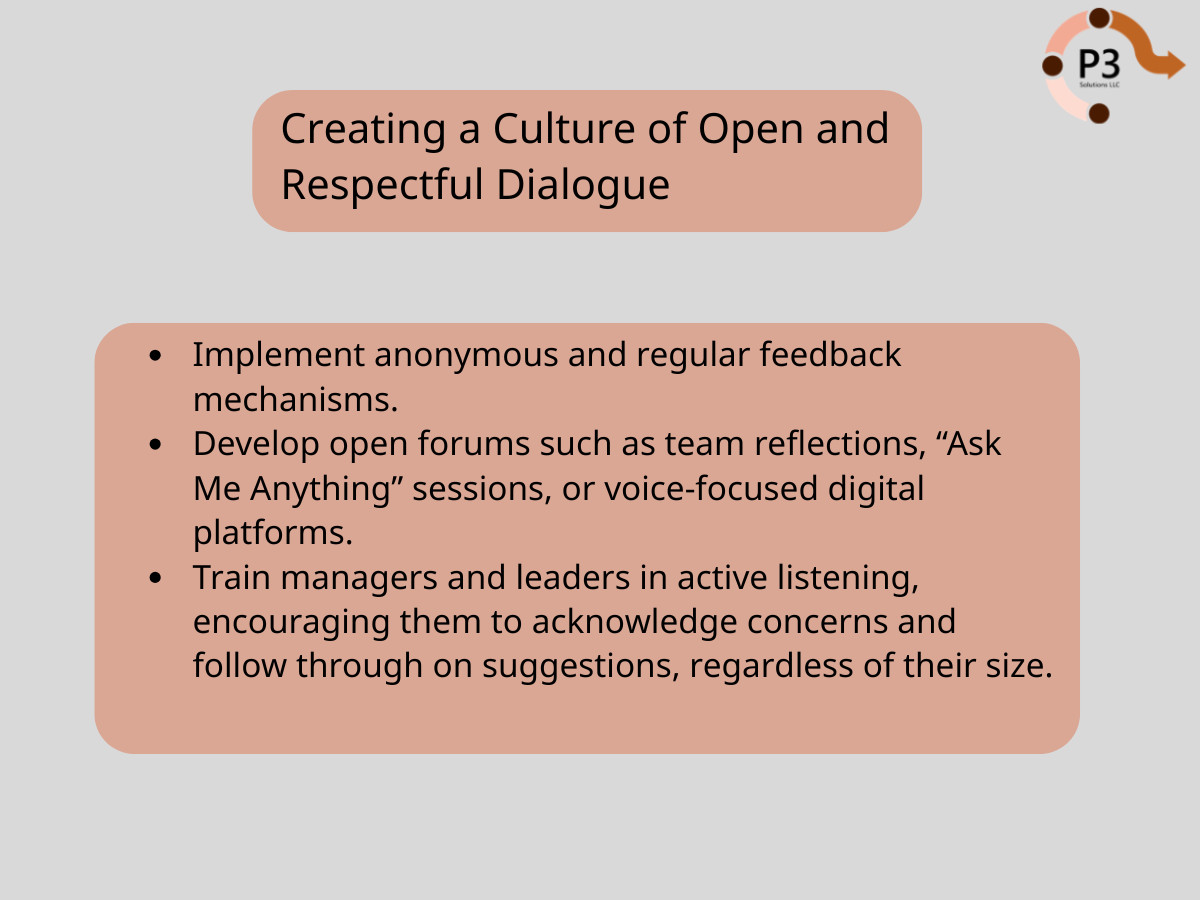
To foster this culture:
· Implement anonymous and regular feedback mechanisms.
· Develop open forums such as team reflections, “Ask Me Anything” sessions, or voice-focused digital platforms.
· Train managers and leaders in active listening, encouraging them to acknowledge concerns and follow through on suggestions, regardless of their size.
Leadership’s Role in Modeling Great Communication
Leadership needs to set up the blueprints for a culture of communication in any organization or workplace. Leaders can model behavior by listening, speaking, responding, and clarifying in an ideal way.
When leaders practice inclusive listening and convey clarity in their messaging, team cohesion, and performance can be significantly enhanced.
Leaders must be consistent in their communication and transparent about decisions, timelines, and expectations. However, they also need to be empathetic and aware of the human side of communication.
They should be aware of tone and timing and adapt their communication based on the audience's needs. With hybrid and remote workplaces, in particular, this can be rather tricky, especially when casual Slack messages, brief emails, or rushed Zoom calls are easily misinterpreted.
Leaders should listen and act on feedback, even if it just means acknowledging it. This can build trust and set the stage for future open and respectful exchanges.
It's also helpful for leaders to embrace vulnerability and show humility when they miss the mark, modeling accountability in their communication and creating a culture where dialogue is the default.
Codifying Communication: Setting Expectations Across Channels
The way and manner in which things are said can lead to miscommunication. Messages can end up scattered across emails, chat threads, project tools, and meetings if you're not careful to set up explicit norms.
Effective communication protocols can help ensure teams aren't overwhelmed, disjointed, or out of sync. Decide which channels are used for certain types of messages, as this will reduce noise and streamline collaboration. Set clear expectations for response times, tone, and the use of tools like Slack, email, and project boards.
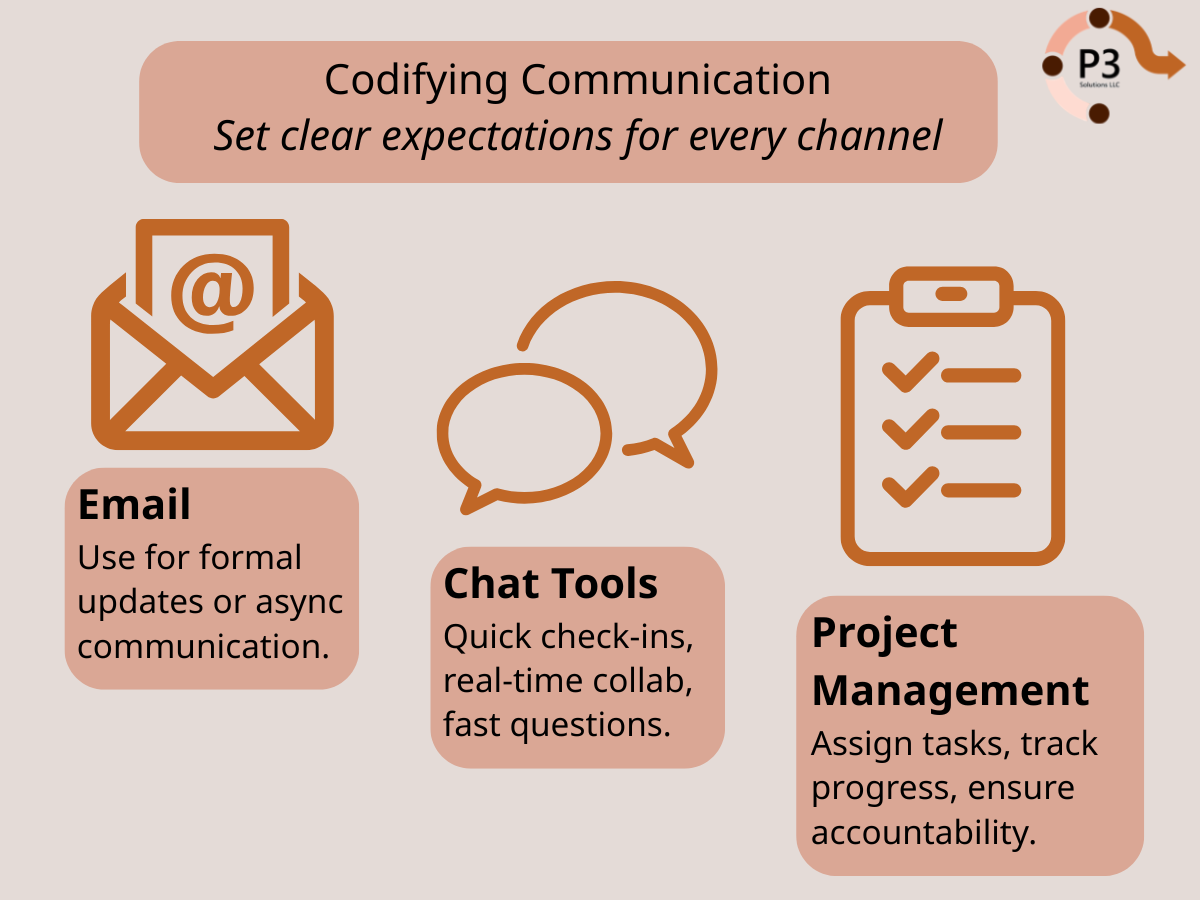
For example:
· Use email for formal or asynchronous updates.
· Use chat tools like Slack or Teams for quick check-ins and real-time collaboration.
· Use project management platforms for task-related communication and accountability.
Set clear rules for tagging, escalation, @mentions, out-of-hours emails, and replying all. Clarify what “urgent” means and set up nomenclature or vocabulary for workflows.
Training and Support for Inclusive, Effective Communication
Clear communication is a skill that can be learned, but many workplaces assume that employees already possess the ability to write concise emails, provide constructive feedback, and adjust their tone for diverse teams.
Providing training on effective communication is a way to solve this problem. Employees can be taught how to write clear, structured messages for readability, actively listen, and understand non-verbal cues in digital environments. Training in inclusive communication can enhance collaboration across hybrid and cross-cultural teams, particularly.
Remember that language that seems “normal” to one team may be alienating to another. Organizations can support better communication by:
· Offering short, skills-based workshops or e-learning modules.
· Encouraging the use of writing and tone-checking tools (e.g., Grammarly, Hemingway).
· Normalizing feedback and clarification requests as part of the process is not a sign of incompetence.
Building feedback loops that work
Feedback only works when it's in both directions and leads somewhere. It's common for organizations to collect feedback but take no action based on it. This leaves employees disengaged or cynical. Feedback needs to be a loop, and that loop needs to be closed.
Employees are far more engaged when they can see their feedback being acknowledged and used to inform decisions and improve processes. By following up with surveys, suggestions in meetings, or critiques, you can make the exchange credible.
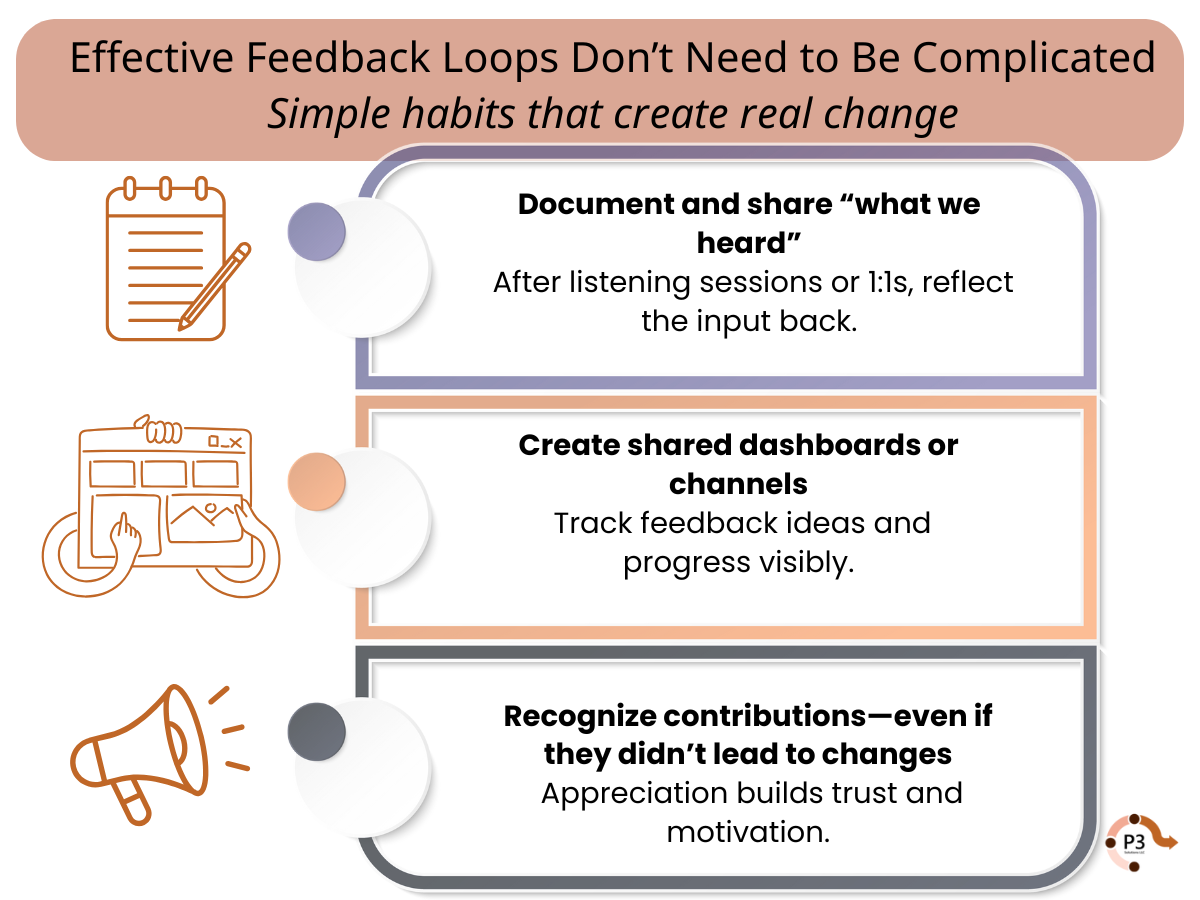
Effective feedback loops don’t require massive infrastructure. They can be as simple as:
· Documenting and sharing “what we heard” after a listening session.
· Creating shared dashboards or channels to track ideas and progress.
· Publicly recognizing contributions—even those that didn’t lead to direct changes.
It's essential that feedback is heard and acted upon consistently and visibly. People need to know that their voices have an influence on outcomes, which will help shape a culture of mutual respect and continuous improvement.
Auditing and Measuring Your Communication Culture
You can't just build a culture of effective communication and leave it. You have to maintain it continuously.
Start with a simple audit of your culture. Are teams aligned? Do employees know where to find critical information? Are meetings productive or repetitive? Is feedback acted on or just collected?
Even platform analytics, like Slack or Teams usage data, can show you more about communication flows (or breakdowns). Small group interviews and feedback sessions can help you gain deeper insights into tone, inclusion, and cultural norms.
High-performing organizations regularly assess the effectiveness of their communication culture. It isn't about achieving perfection. It's about regularly evaluating and improving the culture of communication within your organization so that it becomes a strategic asset rather than a checklist item.
Build the Culture, Reap the Results
Effective communication isn't more meetings and micromanaging messages and communications. Leaders must foster an environment of clarity, respect, and openness across every level of the organization when people are working together.
Free-flowing information with reliable feedback loops enables teams to move faster, collaborate more deeply, and solve problems more effectively. When teams and individuals are trained to communicate with purpose and empathy, these benefits compound and even burnout is reduced.
At P3 Solutions, we help organizations identify communication blind spots and develop tailored strategies to close these gaps. Whether you need leadership training, communication audits, or a culture refresh, we can support your goals.
Ready to turn communication into a strategic advantage?
Further Reading:
Cerkl – 7 Steps to Conduct a Successful Internal Communications Audit
Cerkl – How to Measure Communication Effectiveness: Best Metrics and KPIs
Harvard Business Review – What Psychological Safety Looks Like in a Hybrid Workplace