
Poor Communication in the Workplace
Originally published July 9, 2025.
Communication is the foundation of any successful workplace, yet it’s often the first thing to break down under pressure. From misunderstandings between teams to poorly written emails that spark confusion or conflict, poor communication can silently erode productivity, morale, and trust. This blog series explores the many facets of communication challenges in the workplace—starting with how miscommunication affects team dynamics, examining the toll of complaints and rudeness, unpacking the overload of digital channels, and highlighting the risks of unclear writing.
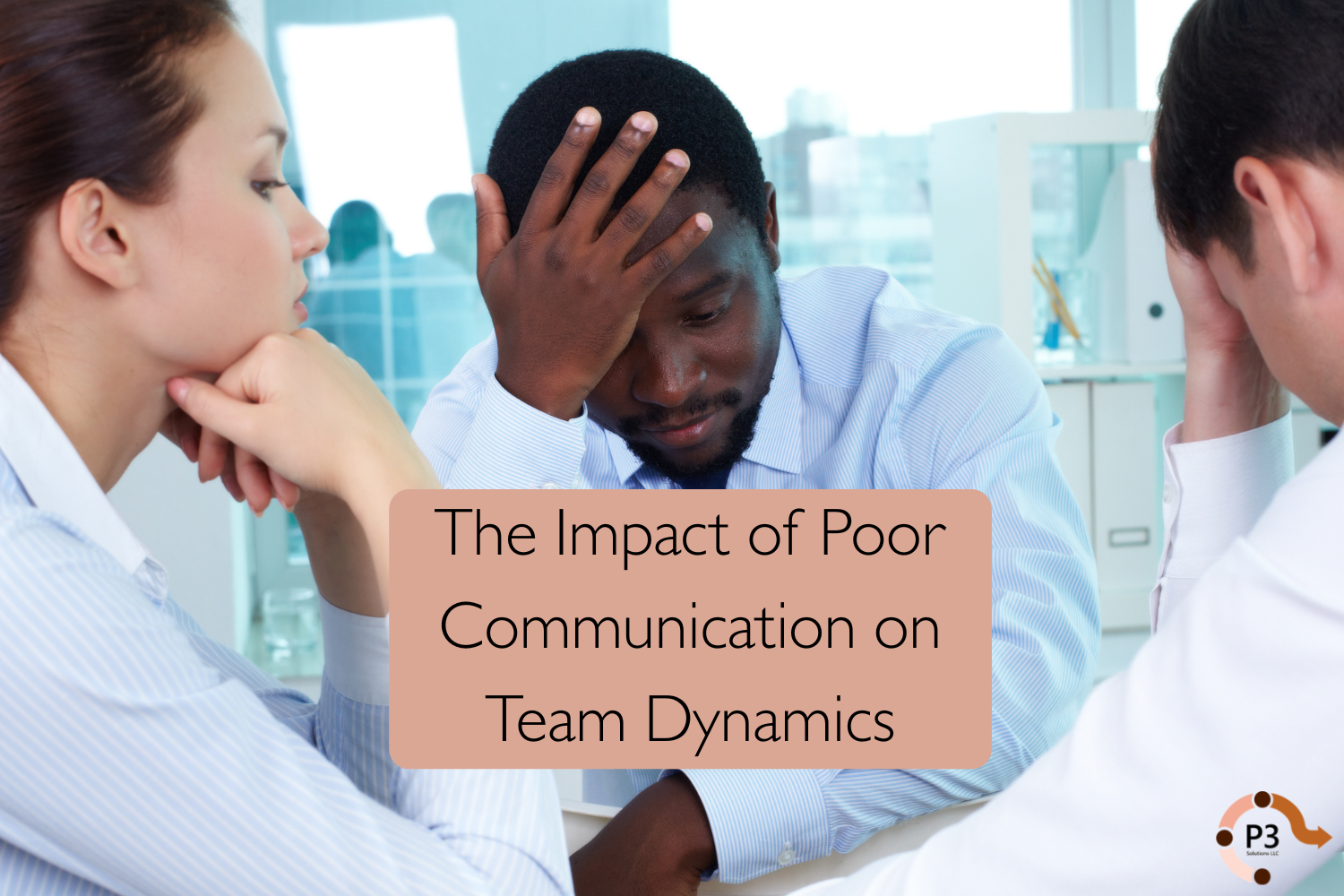
1: The Impact of Poor Communication on Team Dynamics
Teamwork thrives on clear, timely, and respectful communication. When messages are misunderstood, withheld, or delivered poorly, trust erodes, collaboration weakens, and conflict can arise. In this first part, we’ll explore how communication breakdowns disrupt workflows, create unnecessary friction, and hinder team cohesion—ultimately impacting performance and engagement.

2: The Role of Complaints and Rudeness in the Workplace
While feedback is essential in any workplace, constant complaints and rude interactions can create a toxic atmosphere. This post will examine how negative communication patterns—from passive-aggressive comments to open hostility—undermine psychological safety, reduce employee morale, and contribute to higher turnover rates.
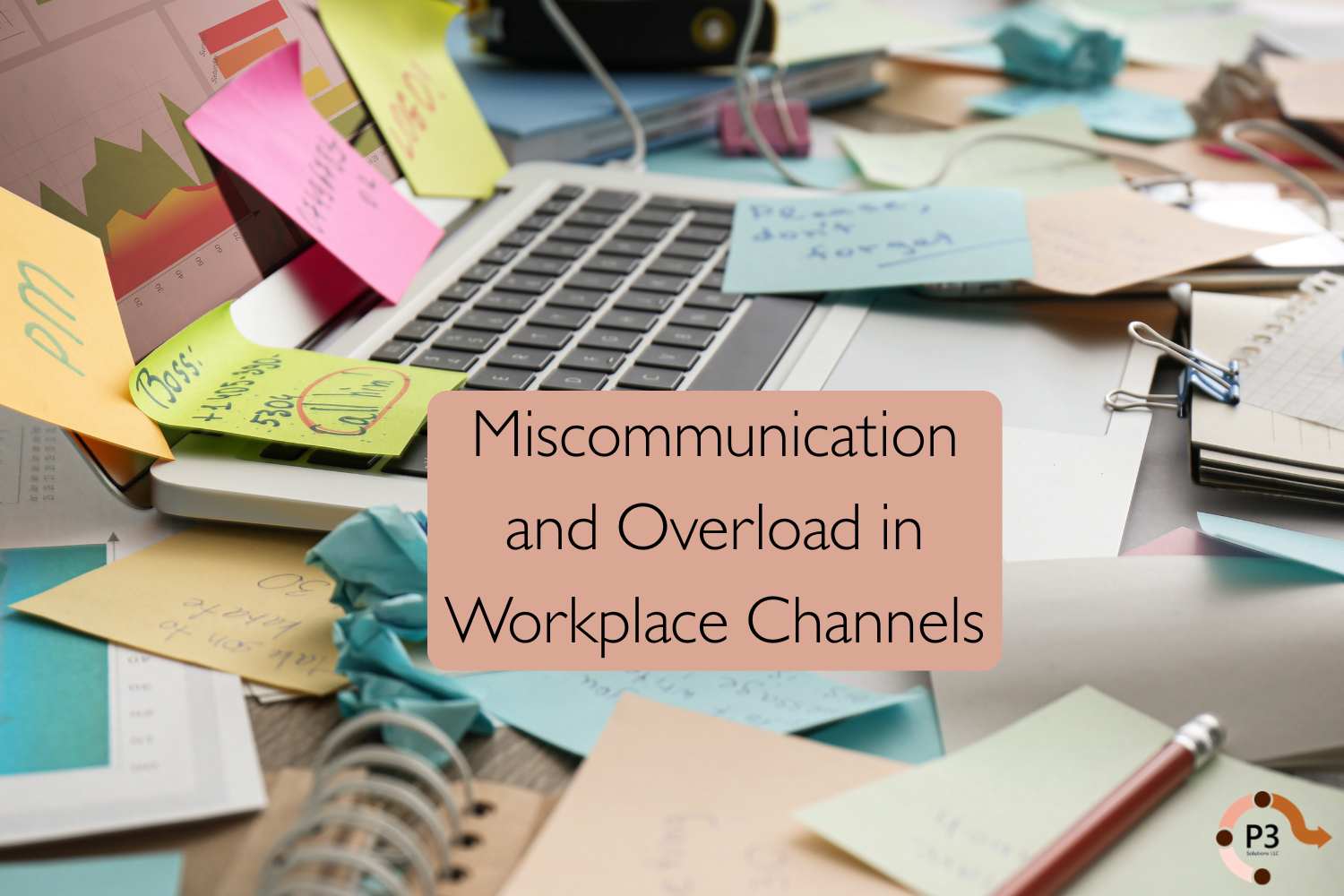
3: Miscommunication & Overload in Workplace Channels
Modern workplaces rely on a multitude of communication tools—email, chat, video calls, and collaboration apps—but the convenience comes at a cost. In this section, we’ll look at how message overload and fragmented communication lead to confusion, missed information, and decreased productivity, including the growing problem of digital fatigue.

4: The Dangers of Poor Writing in Workplace Communication
In professional environments, writing is more than just a method of relaying information—it’s a reflection of clarity, credibility, and intent. Poor grammar, vague language, and disorganized writing can easily derail projects and damage reputations. This post highlights the tangible consequences of ineffective writing and offers examples of how to communicate more clearly.

5: Building a Culture of Effective Communication in the Workplace
Improving communication requires more than just tools—it demands a shift in culture. In our final post, we’ll focus on practical ways to encourage open, respectful, and purpose-driven communication across all levels of an organization. From training programs to leadership modeling, we’ll outline how businesses can create an environment where strong communication is the norm, not the exception.

Communicate your Win Strategy
A clearly defined win strategy isn’t enough on its own — ongoing communication is what ensures that strategy is actually executed throughout a team’s work, especially in collaborative, time‑sensitive environments like proposal development.
Need support with your communication? P3 Solutions can help!
We thrive on the challenge of creating exceptional written content, provide business development processes to help you stay ahead of the competition, and mission-critical business solutions.
Contact us and tell us how we can help you meet your next challenge.
Further Reading
Navigating Change in the NGO Sector: Expert Perspectives & Practical Guidance.
Top 5 Time Management Strategies: Five key strategies which can help you use your time better — at work, while studying, or for any task — with extra tips to make each one even more effective.