
Reviving Syria: Powering the Rebuild
Written by Tia Saliba.
Originally published August 15, 2025
Part one of our five-part series on Reviving Syria.
All images are original, courtesy of Hadi Madwar.
The path to sustainable recovery must be rooted in human rights, economic dignity, and local empowerment. This blog series, Reviving Syria, explores the transformative role of entrepreneurship in post-conflict reconstruction. From grassroots initiatives to tech startups, we’ll highlight the individuals and small businesses who are driving change, and examine how supporting entrepreneurship can create pathways to long-term stability, equity, and human development.
Syria – known as the beating heart of the Middle East, is a country shaped by resilience and power. It is one of the oldest countries in the world and once the center of trade, culture, and community. However, in March 2011, in response to Assad regime’s decades-old pattern of oppression and corruption, a popular uprising began. The regime’s military response to peaceful protests ultimately resulted in massive violence, displacement, and death, leaving a deep scar on the country and its people. The war has shattered the economy, destroyed homes, and collapsed infrastructure that the regime and its allies had not already destroyed.
But even amid the chaos, something immensely powerful will emerge. Across Syria, people are rebuilding their homes. Streets are slowly leading their residents back to opportunity and growth. Syrians across the nation are paving their way forward, reclaiming the opportunities that the Assad regime had stolen from them. They are now arising from their own ashes.
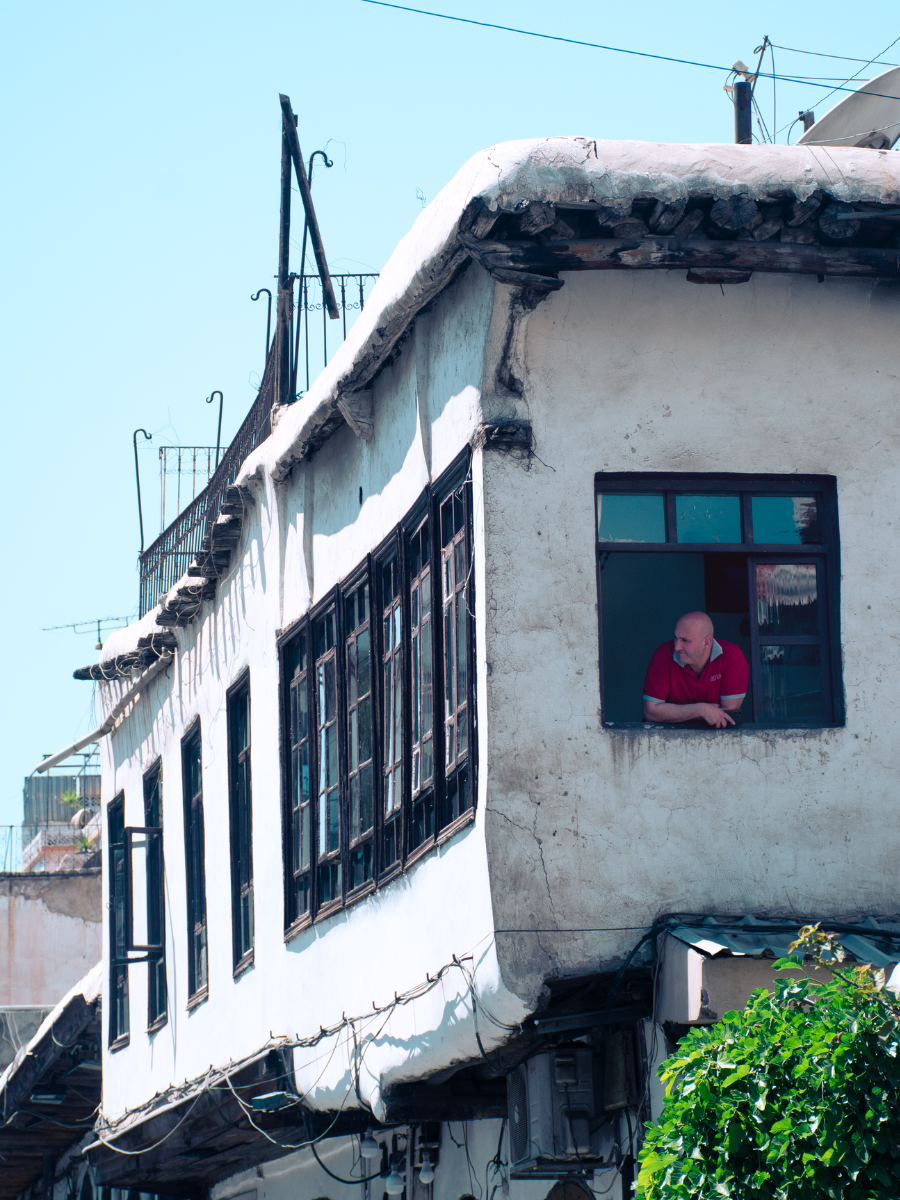
A home in Straight Street, Damascus.
Entrepreneurship and small businesses have become a vital force in Syria's long road to recovery. This article explores how these efforts are reshaping the country’s future, driven by an optimistic and hopeful nation.
Syria's post-conflict phase reflects uncertainty, instability, and economic challenges. The war has disrupted institutions and weakened the state's ability to deliver basic services, such as electricity and water. Syria faces daily blackouts, with limited daily hours of electricity. Families rely on private generators, but these are not affordable or accessible to all. Another major issue is the lack of clean water: all water networks were destroyed. Sewage systems are damaged, creating major health risks for the people. Moreover, most hospitals are experiencing shortages of medicine and equipment, and millions of people lack access to basic healthcare or emergency services.
Unemployment rates are rising because of the lack of jobs and limited access to banking and investment due to the sanctions imposed. While sanctions were lifted recently, the benefits have still not materialized. Almost everything was banned, it was like disconnecting from the entire world and living in a small bubble. This forced people to be innovative and try to find ways to make a living in this disrupted economy.
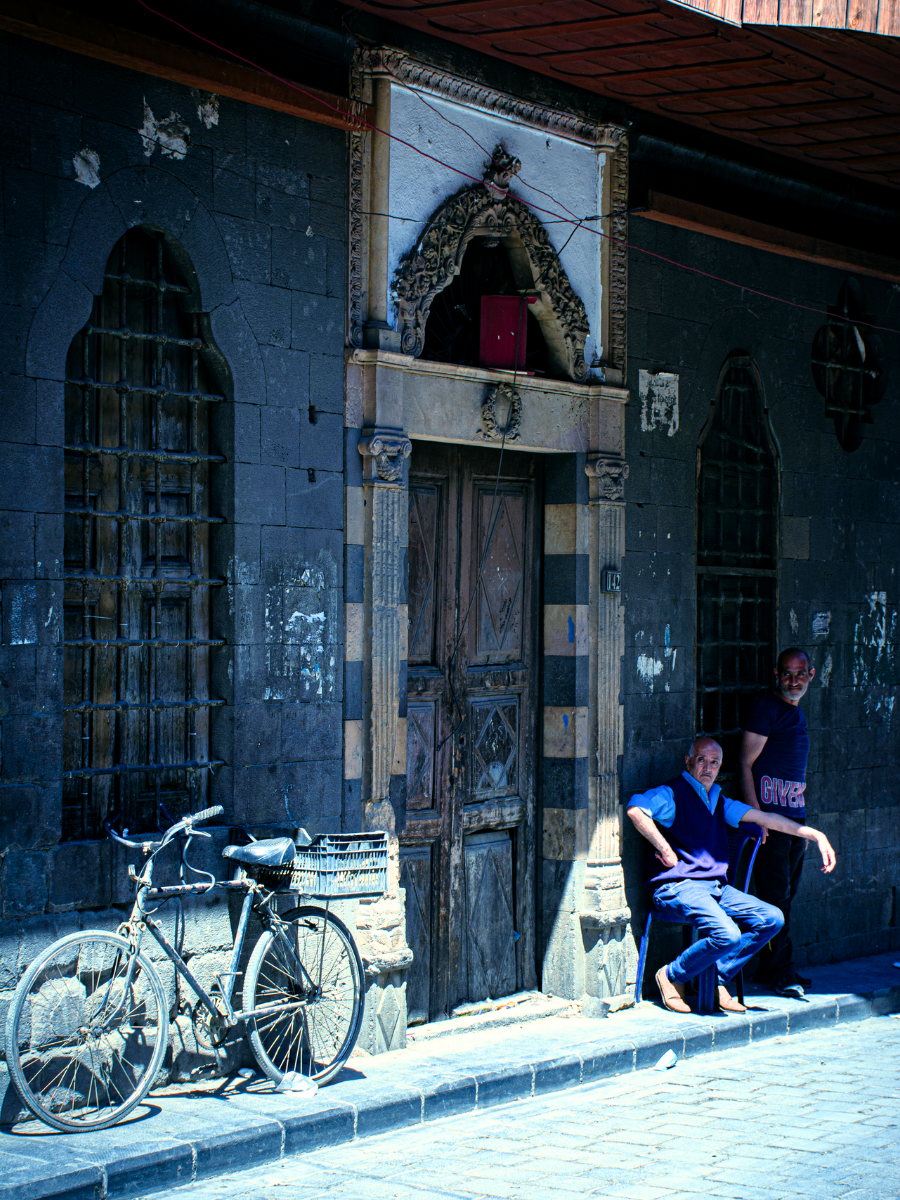
Straight Street Old Damascus.
However, entrepreneurship is now gaining more attention, small businesses are trying their best to provide Syrians with practical services that will help in rebuilding the country. These businesses are trying to fill the gap in the market, especially in areas where state capacity is limited or absent.
In the second part of our Reviving Syria series, we shine a light on the power of small businesses, adapting with resilience to challenges such as sanctions, inflation, and frequent power outages.
P3 has already conducted four fact-finding missions to Damascus and will be returning for more in-depth studies this fall.