
Where Does Opportunity Strike? Where You Least Expected It
Written by Rafif Jouejati.
Originally published July 15, 2025.
All images are original, courtesy of Hadi Madwar.
For decades, “Syria” has been synonymous with hardship—brutal conflict, massive destruction, and a people struggling to rebuild. Today, however, Syria has turned the page and started a new chapter in its history. After 54 years of suffering under the Assad regime’s brutal rule, Syria is emerging from the ashes, and with it comes something that may surprise many: opportunity.
Rebuilding is never easy, especially after decades of dictatorship, crippling sanctions, and fractured institutions. But with challenge comes possibility. Businesses and investors that step into Syria now—before the competition does—can carve out a meaningful role in its transformation.
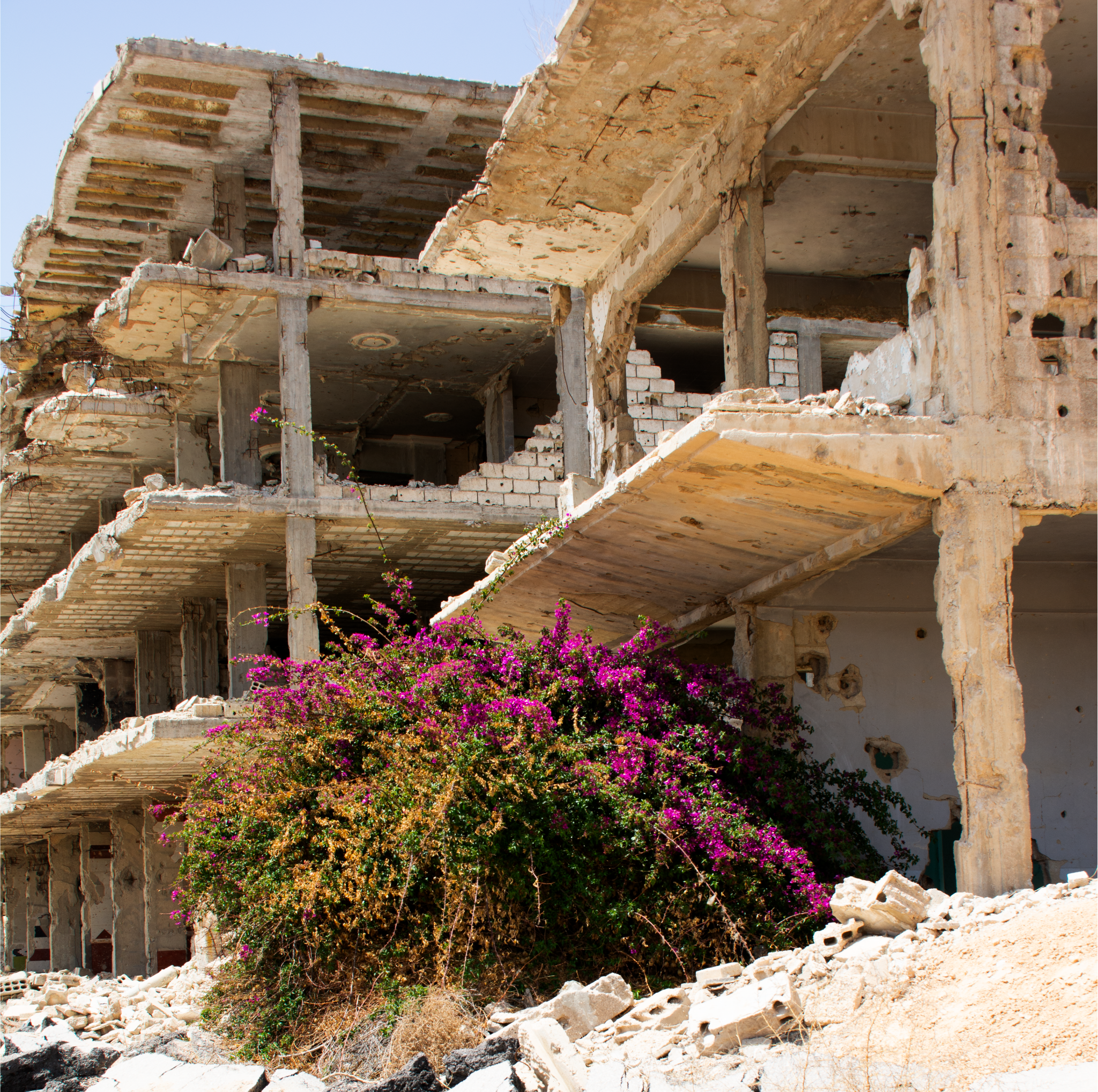
Destruction in the district of Jobar.
Getting in Early—Before the Wave
Markets don’t stay untapped forever. As Syria moves toward recovery, particularly now that sanctions are being lifted, early movers can define industry standards, secure strong partnerships, and influence policies to shape a favorable business landscape. Companies that take the leap now won’t just be entering a market—they’ll be helping build it from the ground up.
Syria's finance minister invites foreign investors following easing of U.S. sanctions.
“We envision a central role for the private sector in the new Syrian economy. The finance ministry’s role is not to spend indiscriminately or act as a regulatory enforcer over businesses, but rather to enable and support growth”
Infrastructure: The Foundation of Growth
A country rebuilding itself needs roads, bridges, power grids, and cities. The demand for construction, engineering, and consulting expertise is immense, and investors in infrastructure stand to gain both profitable contracts and a lasting presence in Syria’s reconstruction and redevelopment.
Urban revitalization: Roads, water systems, and electricity grids urgently need modernization & smart city planning: Consultants can offer sustainable, tech-enabled designs for future-ready cities.
Public-private partnerships (PPPs): Structuring PPPs to finance large-scale infrastructure rebuilds.
Energy infrastructure: Opportunities in solar, wind, and rebuilding power grids with modern tech.
In the aftermath of the 2023 earthquake, organizations like the White Helmets, supported by international funding, have been instrumental in rebuilding critical infrastructure in northwest Syria. Their efforts include restoring medical facilities and essential services, showcasing the pivotal role of coordinated reconstruction initiatives.
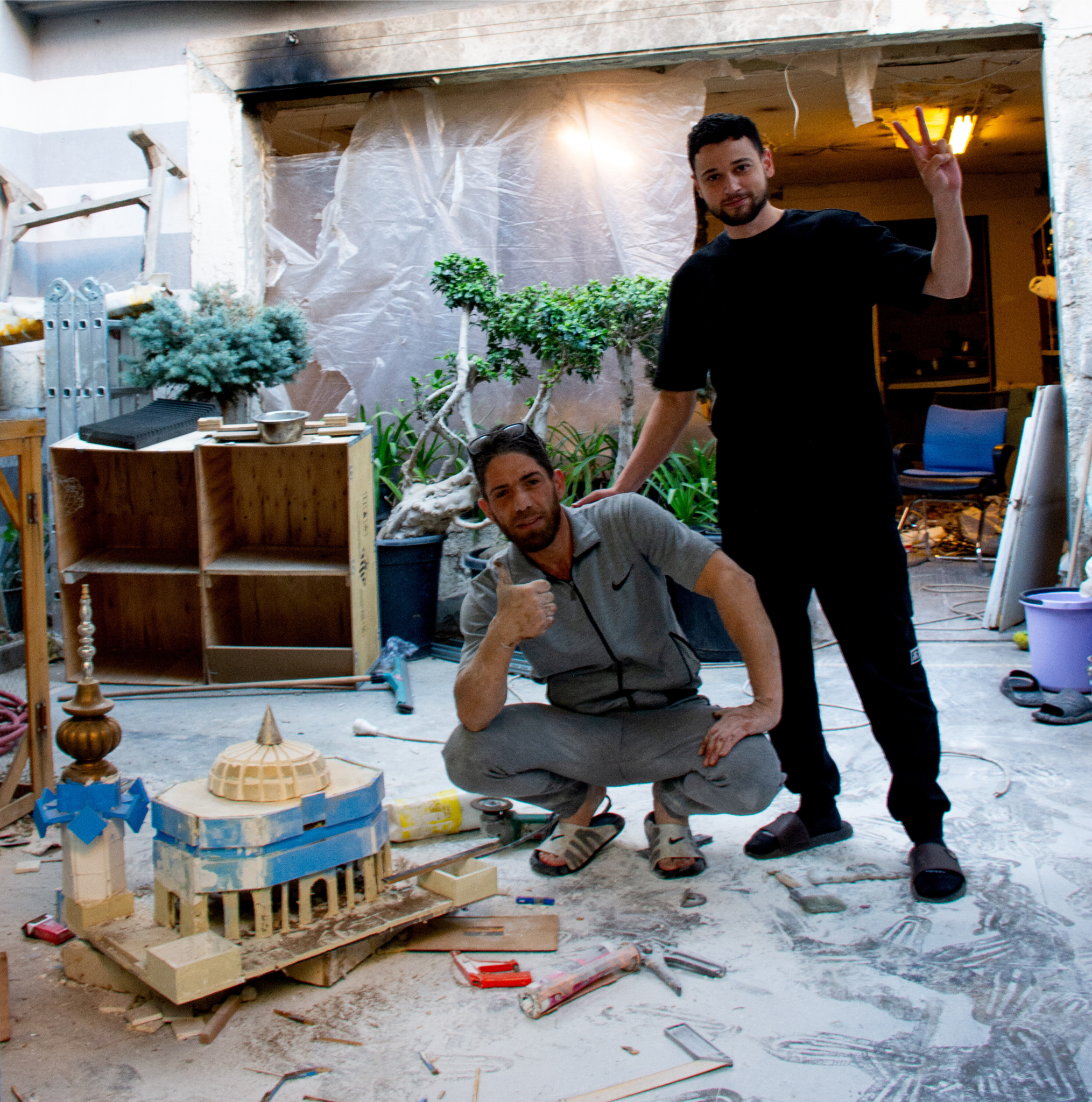
Two craftsmen in the Abu Rumaneh neighborhood.
Untapped Sectors—A Market Ready for Innovation
Agriculture, manufacturing, healthcare, technology—each one holds massive potential. Conflict halted progress, but the Syrian people are hungry for innovation. Entrepreneurs and businesses that bring creative solutions to local challenges can set themselves apart in a space that’s ripe for development.
Healthcare modernization: Build digital health infrastructure and supply chain systems.
Agritech and food security: Introduce innovative irrigation, vertical farming, and supply chain optimization.
E-commerce & fintech: Leapfrog legacy systems by building mobile-first platforms.
Tourism revival: Potential in heritage tourism and eco-tourism development.
The International Labour Organization (ILO) has implemented employment-intensive programs in Syria, focusing on rebuilding infrastructure and creating job opportunities. These initiatives address immediate needs and lay the groundwork for sustainable economic development.
The Government’s Push for Reform
Under President Ahmad Al-Sharaa, the Syrian government is prioritizing economic stabilization and investment-friendly policies. Incentives such as tax breaks, import-export reforms, and investment protections are designed to lure businesses and support local entrepreneurship.
Regulatory overhauls: Advising on legal frameworks that encourage foreign direct investment (FDI).
Privatization support: Helping state entities transition into competitive, investor-friendly businesses.
Ease of doing business: Collaborating with ministries to streamline licensing and trade processes.
Anti-corruption and transparency: Implementing compliance and audit systems for better governance.
Syria's new leadership has enacted an interim constitution, signaling a commitment to political and economic reforms. This development opens avenues for international engagement and investment, as the country seeks to rebuild its institutions and economy.
The Power of People: Syria’s Talent Pool
One of Syria’s greatest strengths? Its people. Educated, skilled, and eager to contribute, professionals are returning to Syria, ready to rebuild industries and launch businesses. Companies that invest in training and workforce development won’t just benefit from a talented labor force—they’ll be shaping Syria’s economic revival.
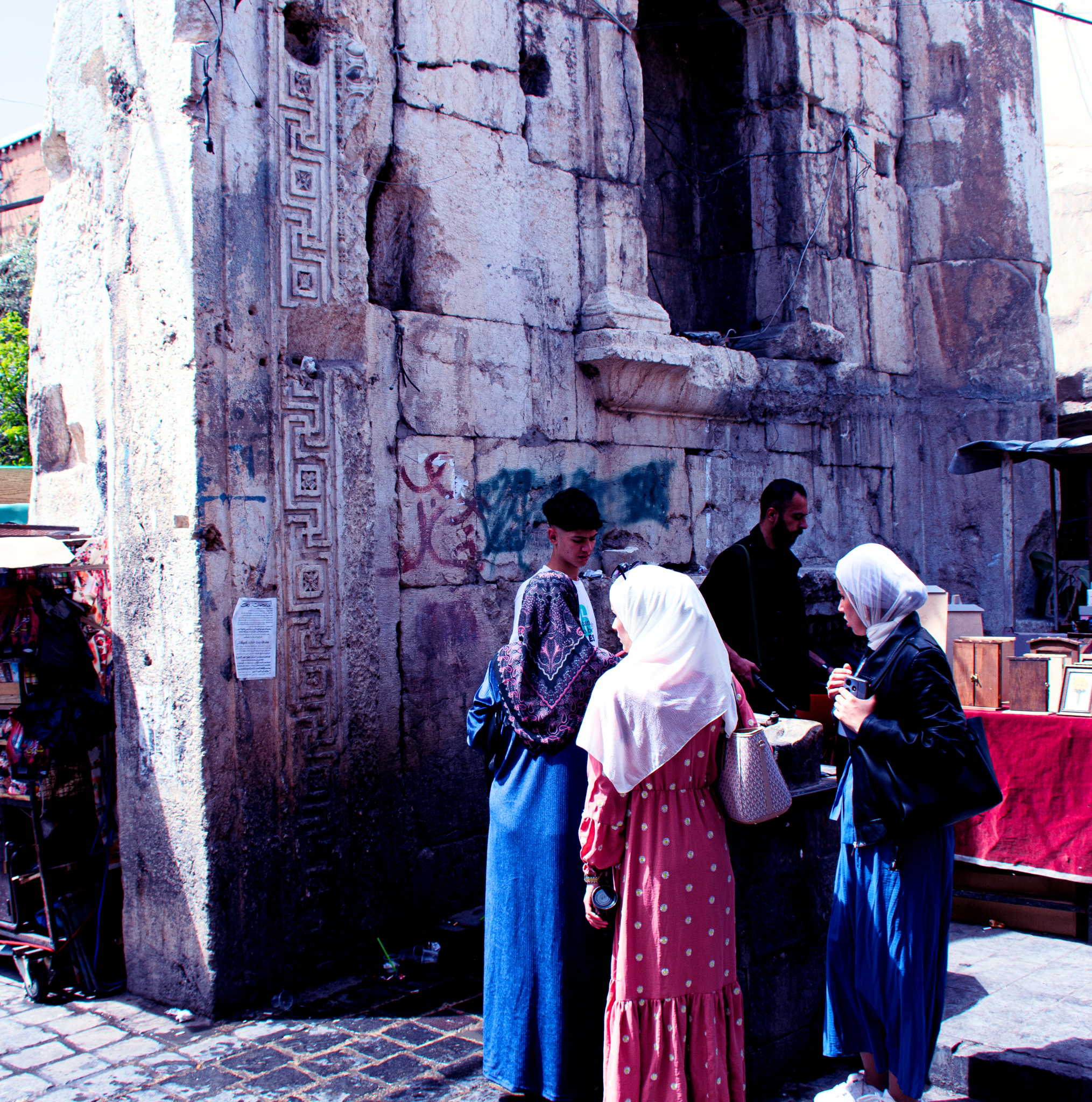
Three ladies at a fountain in Old Damascus.
Diaspora engagement: Helping attract skilled Syrian professionals from abroad to return or invest. As of current writing, more than 500,000 Syrians have returned are reclaiming or renovating their properties.
Workforce training: Creating custom programs for upskilling in areas like digital tools and project management. The Foundation to Restore Equality and Education in Syria (FREE-Syria) is preparing to launch an upskilling center in support of Syria’s talented youth.
Entrepreneurship ecosystem: Support for incubators and innovation hubs to unleash local potential.
Post-conflict Syria has seen efforts to rebuild its education system, including revising curricula and reinstating students. These steps are crucial in developing a skilled workforce ready to contribute to the country's recovery and growth. (WENR)
Hack for Syria is a global event bringing together innovators from within Syria and across the world to tackle the nation’s most urgent challenges. Blending online collaboration with local hubs on the ground, participants will co-develop impactful solutions aimed at strengthening infrastructure, advancing technology, boosting economic growth, and fostering social unity.
SYNC ’25 is a two-day event that brings together Syrians from Silicon Valley and those on the ground to spark a movement of connection, collaboration, and growth. United by a shared vision, participants will work to reimagine and shape the future of technology in Syria.
Damascus recently hosted its first artificial intelligence conference, showcasing the city's initial experience with fifth-generation technology.
A Strategic Location for Global Trade
Syria strategic location—at the crossroads of Europe, Asia, and the Middle East—makes it a key player in regional commerce. Businesses establishing supply chains and trade networks here can position themselves for long-term success.
Trade corridors: Syria connects the Mediterranean to the Gulf—reviving ancient trade routes.
Logistics hub potential: Infrastructure for warehousing, ports, and transit between Europe, Asia, and Africa. [note that the UAE and Turkey just signed contracts to revitalize Syria’s Mediterranean ports]
Free zones and special economic areas: Advising on governance, compliance, and operations within SEZs.
Belt & Road Initiative alignment: Opportunities through partnerships with Chinese and regional infrastructure projects.
Neighboring and regional countries like Turkey, Saudi Arabia, and Qatar have expressed readiness to assist in rebuilding Syria's infrastructure, recognizing the strategic importance of regional connectivity and trade.
The Consulting Sector—Helping Businesses Thrive
For companies unsure about navigating Syria’s emerging economy, consulting firms offer guidance in critical areas:
Key Areas of Consulting Opportunity:
Infrastructure and Urban Planning, along with a focus on Housing, Land, and Property (HLP) rights:
o Masterplans for cities and regional utilities.
o Feasibility studies for roads, housing, and sanitation systems.
Financial and Investment Strategies:
o Market entry roadmaps for international firms.
o Risk assessment and capital sourcing solutions.
Human Capital Development:
o Building HR systems for startups and state entities alike.
o Local workforce assessments and talent retention strategies.
Tech and Digital Solutions:
o Cybersecurity protocols and IT system design.
o Automation in manufacturing, banking, and logistics sectors.
Public Policy and Governance:
o Legislative drafting and reform consulting.
o Performance measurement systems for government institutions.
The Atlantic Council outlines a model for Syria's reconstruction, emphasizing the importance of rebuilding institutions and fostering inclusive political participation. These insights are valuable for consulting firms aiming to support Syria's transition.
The Day After Association has outlined a transitional framework for Syria.
From global firms to local pioneers, consultants are helping businesses establish themselves while contributing to Syria’s progress.
Conclusion: A Moment of Transformation
Opportunity doesn’t always come in obvious places. Syria’s challenges remain, but in its rebuilding lies the chance for businesses and investors to create something meaningful. Those who step in now will be shaping industries, influencing recovery, and securing a foothold in a country ready to rise.
The question isn’t whether Syria is ready for business. The question is, are you?
P3 has already conducted two fact-finding missions to Damascus and will be returning for more in-depth studies this summer.
You might be interested in our five-part series, Reviving Syria.