
The Role of Complaints and Rudeness in the Workplace
Written by Joseph Philipson.
Originally published May 21, 2025
Part two of our five-part series on poor communication.
All images are P3 originals, courtesy of Hadi Madwar.
Effective communication has to be the cornerstone of any productive and harmonious workplace. However, when it doesn't work, it leads to frustrations, complaints, and rudeness, damaging team dynamics and, most importantly, success!
Like passive-aggressive behaviors, complaints and rudeness can devastate businesses and organizations.
So, what roles do complaints and rudeness play in the workplace, and how can you distinguish between constructive and destructive behaviors in a frustrated workplace?
Understanding workplace frustration
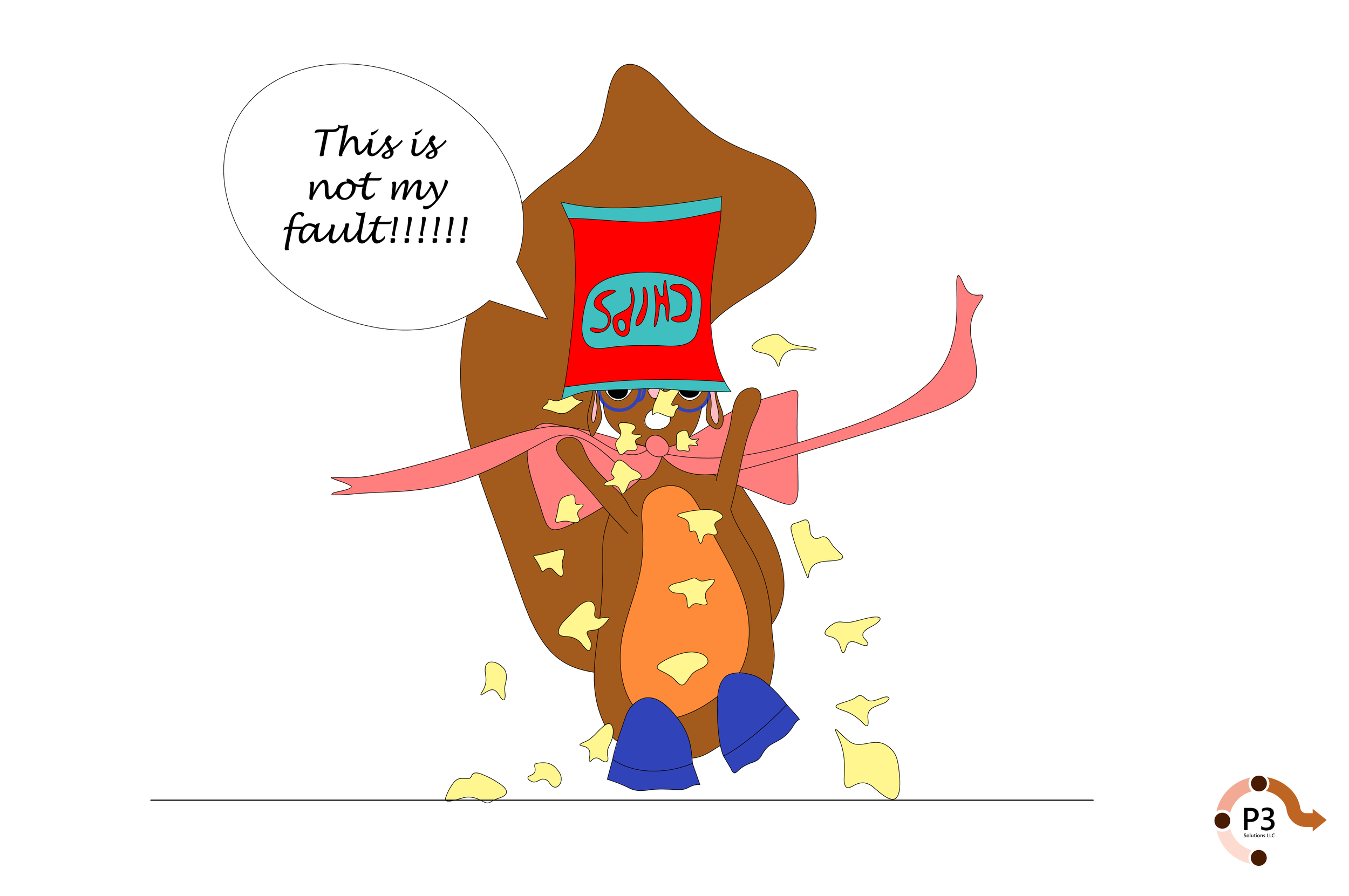
Wendy blaming everyone but herself.
Workplace frustration is an almost unavoidable part of any workplace. However, you can control how you understand it and, ultimately, deal with it.
Before making strategic decisions to address workplace frustration, you must examine the root causes.
read our page about Wendy, what NOT to do in the workplace!
What causes workplace frustration
We know what it feels like to be frustrated, but what is workplace frustration?
Put simply, it's the emotional response that employees have when they face barriers or hurdles to performing their duties effectively.
Examples include:
· Lack of Transparency: When information is withheld or not openly shared, employees may feel excluded or undervalued.
· Poor Communication: Misunderstandings and unclear directives can lead to confusion and errors.
· Insufficient Support or Resources: Employees may struggle to complete tasks efficiently without the necessary tools or assistance.
· Unclear Goals: Ambiguity in expectations can result in employees working at cross-purposes, reducing overall effectiveness.
Impact on team dynamics
Workplace frustration rots away at the core of team dynamics, quickly undermining any cohesion or harmony you have spent weeks, months, or even years building.
· Decreased Collaboration: Frustrated employees may withdraw from team interactions, leading to silos and reduced information sharing.
· Increased Conflict: Frustration can heighten sensitivity, making individuals more prone to disagreements.
· Lowered Morale: Persistent frustration can diminish job satisfaction, leading to disengagement.
· Reduced Productivity: Teams bogged down by unresolved issues may struggle to meet deadlines and achieve targets.
The role of complaints in the workplace
Complaints are as inevitable as frustrations. When frustrations occur within a workplace, complaints will naturally follow.
How employees express complaints and how their employers address them are crucial.
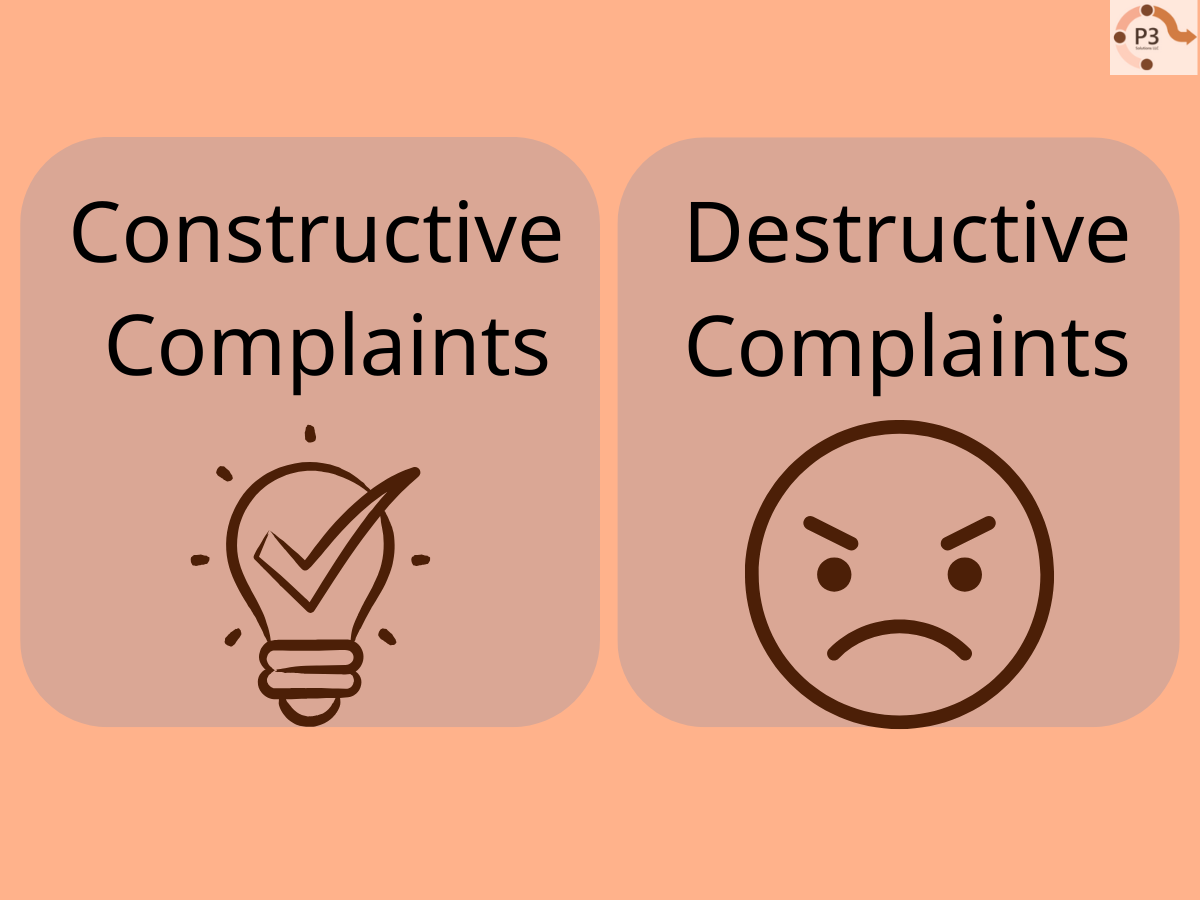
You can classify complaints as "constructive" or "destructive" based on their impact.
Constructive vs. Destructive complaints
Consider each type of complaint before you act on any of them.
· Constructive Complaints: These are grievances expressed to bring about positive change. They are often accompanied by suggestions for improvement and are directed towards finding solutions. For instance, employees noticing inefficiencies in a particular process might propose alternative methods to enhance productivity.
· Destructive Complaints: Conversely, these complaints focus solely on the negatives without inclination toward resolving the issue. Such complaints, often called whining, can create a toxic atmosphere, leading to decreased morale and engagement among team members.
Effects of complaints on team productivity
Once you've established what kind of complaint you're dealing with, consider the effects they can have on productivity and your strategic goals:
· Constructive Complaints: When employees voice concerns constructively, it can lead to process improvements, innovation, and a more engaged workforce. Addressing these complaints can remove obstacles hindering productivity, thereby enhancing overall team performance.
· Destructive Complaints: Conversely, persistent negative complaints without solutions can drain energy, create a toxic atmosphere, and divert focus from essential tasks, decreasing productivity.
Strategies for constructive communication
Having established the type of complaints you're dealing with and the effects they could have on your organization, it's time to start strategizing about creating a culture where complaints lead to positive outcomes.
· Encourage Open Dialogue: Create an environment where employees feel safe to voice concerns without fear of retribution. This openness can lead to early identification of issues and collaborative problem-solving.
· Focus on Solutions: Guide employees to identify problems and think critically about potential solutions. This approach shifts the focus from blame to improvement.
· Provide Training: Equip teams with communication and problem-solving skills to address issues constructively. Training can empower employees to handle conflicts and challenges more effectively.
· Recognize and Reward: Acknowledge individuals who proactively seek improvements, reinforce positive behavior, and encourage others to follow suit.
Identifying complaints and implementing strategies like these can promote constructive communication, enhancing team dynamics and overall productivity.
Rudeness in the workplace
Rudeness can be hard to define in an actionable way. Typically, rudeness is any behavior that's disrespectful, inconsiderate, or offensive.
Rudeness can disrupt the professional environment and negatively harm employee morale and productivity.
Identifying rude behaviors
The first step towards addressing rudeness is by identifying it. Here's a non-exhaustive list of behaviors that could be considered rude:
· Interruptions: Cutting off colleagues during meetings or conversations, signaling a lack of respect for their viewpoints.
· Dismissive Actions: Ignoring or belittling others' contributions, making them feel undervalued.
· Inappropriate Language: Using offensive or derogatory terms can create a hostile work environment.
· Non-Verbal Cues: Displaying negative body language, such as eye-rolling or smirking, can convey disdain.
· Exclusionary Practices: Deliberately isolating certain team members from discussions or activities.
Consequences of rudeness on employee morale
Typically, rudeness will harm employee morale in the following ways:
· Decreased Job Satisfaction: Employees subjected to rudeness often feel undervalued, leading to dissatisfaction with their roles.
· Increased Stress Levels: A hostile environment can elevate stress, affecting mental and physical health.
· Higher Turnover Rates: Persistent rudeness can drive employees to seek employment elsewhere, increasing turnover.
· Reduced Engagement: Employees may disengage, leading to lower productivity and creativity.
Impact of rudeness on client relationships
Remember that rudeness doesn't just harm internal dynamics within organizations and businesses. It can also damage client relationships.
· Damaged Reputation: Clients who experience or witness rudeness may perceive the organization negatively, tarnishing its reputation.
· Loss of Business: Clients are less likely to continue partnerships with organizations where they feel disrespected, leading to potential revenue loss.
· Negative Word-of-mouth: Unsatisfied clients may share their experiences with others, deterring potential business opportunities.
Addressing complaints and rudeness
Once rudeness has been identified and the potential risks recognized, it's time to deal with rudeness.
There isn't a singular solution, as you need to think carefully about the internal (and external) dynamics of your organization or business, but these are some of the strategies you could employ:
· Establish Clear Policies: Develop and enforce a code of conduct that outlines acceptable behaviors and consequences for violations.
· Provide Training: Offer workshops on communication, empathy, and conflict resolution to equip employees with necessary interpersonal skills.
· Promote Open Communication: Encourage employees to voice concerns and provide feedback in a safe environment, fostering mutual respect.
· Lead by Example: Management should model respectful behavior, setting the standard for the rest of the organization.
The financial impact of complaints and rudeness
Undesirable behavior in the workplace is more than just annoying, it can lead to real financial repercussions.
The obvious costs could include increased employee turnovers, with employees choosing to work elsewhere because their complaints aren't heard or acted upon or because their colleagues are rude. It's estimated that a single incident of rudeness can cost an organization $25,000!
Those who stay will likely be less productive, harming the bottom line. Frustrated employees will be far from giving their all every day, and the detriment this can have on teamwork only compounds the issue.
The contagious nature of workplace rudeness
Rudeness is an issue that affects organizations exponentially. Complaints rarely occur in isolation, and rudeness can lead to toxic work environments.
How rudeness spreads
Experiencing or witnessing rudeness can lead to others adopting similar behaviors. This is known as the “incivility spiral” and just one act of rudeness can trigger a chain reaction, with almost every employee at risk of being affected.
Impact on organizational culture
You can't consider rudeness as an isolated incident since it can completely rewrite an organization's DNA:
· Normalization of Incivility: As rude behaviors become more common, they may be perceived as acceptable, lowering the overall standard of conduct.
· Erosion of Trust: Continuous exposure to rudeness can diminish trust among team members, hindering collaboration and open communication.
· Increased Stress: A pervasive rude environment increases stress levels, affecting employee well-being and job satisfaction.
Consequences on performance and safety
Performance is the obvious impact of rudeness, but it can also have life-altering impacts.
· Reduced Cognitive Function: Exposure to rudeness has been linked to decreased cognitive performance, impairing decision-making and creativity.
· Safety Risks: In high-stakes environments like healthcare, rudeness can lead to critical errors. Studies have shown that rude behavior can impair medical teams' performance, potentially resulting in life-threatening mistakes.
Mitigating the spread of rudeness
Here are just a few strategies that could effectively stem the spread of rudeness within an organization or business:
· Zero-Tolerance Policies: Establish clear guidelines that do not tolerate rude behavior, reinforcing the importance of respect.
· Leadership Modeling: Encourage leaders to exemplify courteous behavior, setting a standard for the rest of the organization.
· Training Programs: Provide training on emotional intelligence and effective communication to equip employees with skills to manage and prevent incivility.
Need support with your communication? P3 Solutions can help!
Contact us and tell us how we can help you meet your next challenge.
Further Reading:
Destructive vs constructive critisism: https://thriveworks.com/blog/destructive-vs-constructive-criticism/
The difference between constructive and destructive critisism: https://www.leadersinstitute.com/the-difference-between-constructive-and-destructive-criticism/